
Sail a real ocean passage as crew
Twice a year Mā Tori crosses roughly 1,100 nautical miles of open Pacific between New Zealand and Fiji — and we take a small number of crew who want to know what a genuine offshore passage feels like. Not a harbour cruise. Not a cruise ship. Seven to ten days at sea, standing watches under an experienced skipper, with ocean miles in your logbook at the other end.
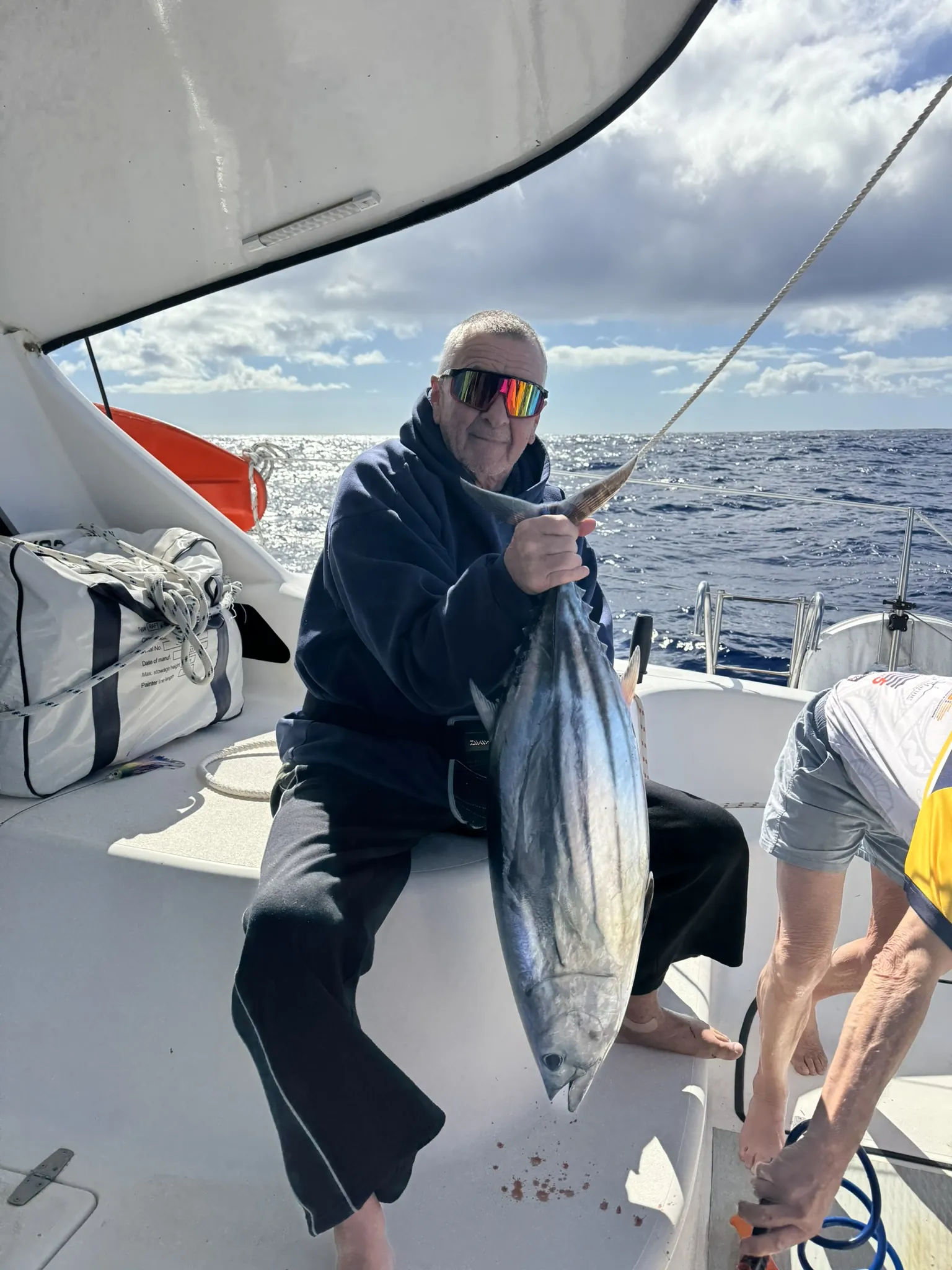
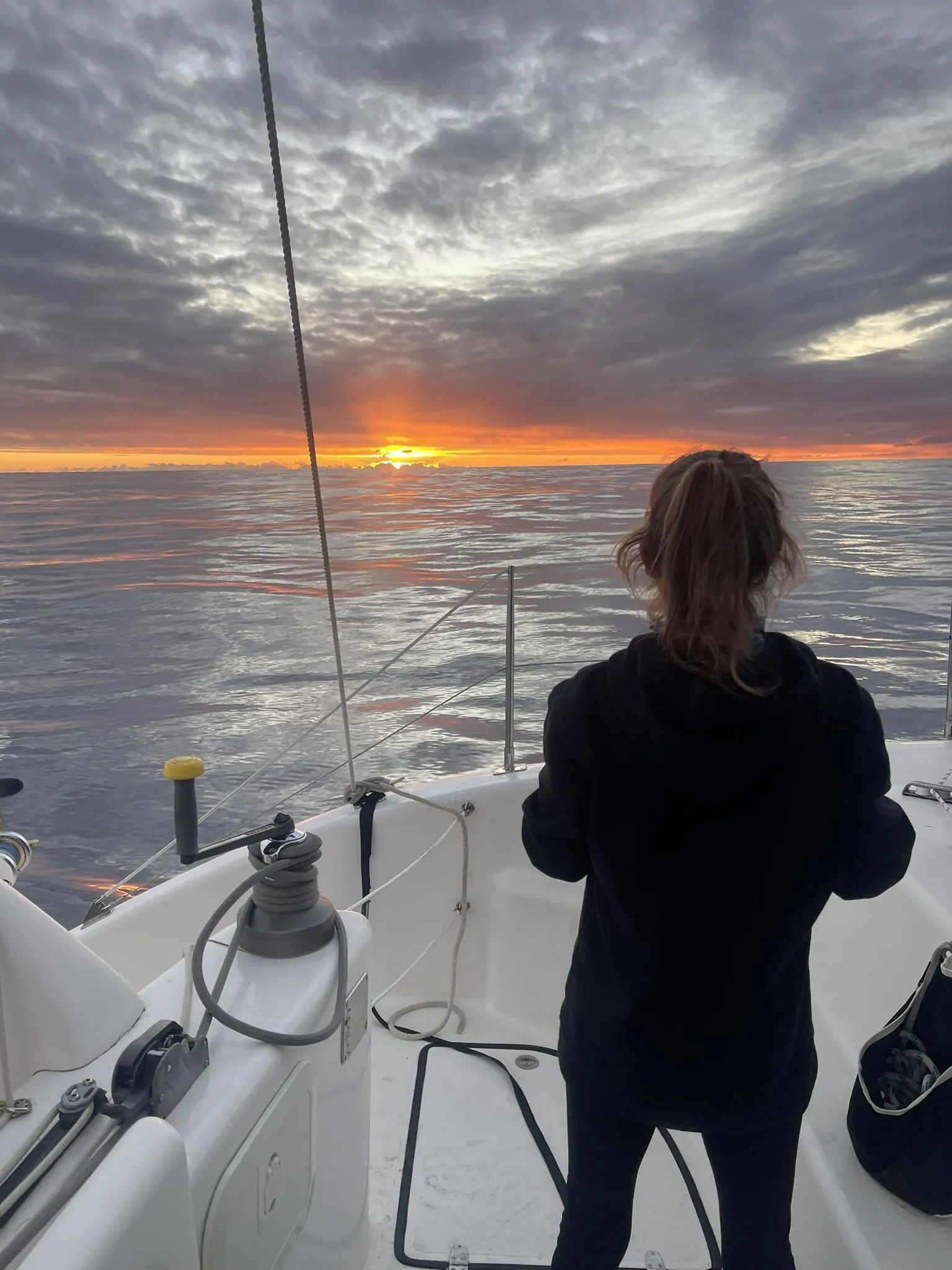
You'll trim sails, track weather, land the odd tuna, and watch sunrises you can't see from land. You'll stand your watch, cook your share, and arrive in another country having crossed an ocean to get there — the kind of miles that count when you're building experience toward your own cruising plans, a Cat 1 sign-off, or just a story your desk job can't compete with.
No offshore experience is required — enthusiasm, reasonable fitness and a stomach you're willing to test are. You join as working crew under the skipper: watches, sail handling, galley duty, the lot. Everything is taught aboard. The boat is NZ Cat 1 certified, and every passage runs with full safety briefings, tethers and harnesses, and a watch system that means you're never on deck alone at night.
| The passages | New Zealand → Fiji (around May–June) and Fiji → New Zealand (around October–November), subject to weather windows |
|---|---|
| Duration | Typically 7–10 days at sea, plus a few days either side for briefing and weather |
| Experience needed | None — you'll be taught everything aboard. Sailors welcome too |
| Berths | Queen cabin aboard a Cat 1 certified catamaran with Starlink, watermaker and a proven four-passage record |
| What you cover | Your own travel to and from the boat, plus an agreed share of the passage's actual costs — see below |
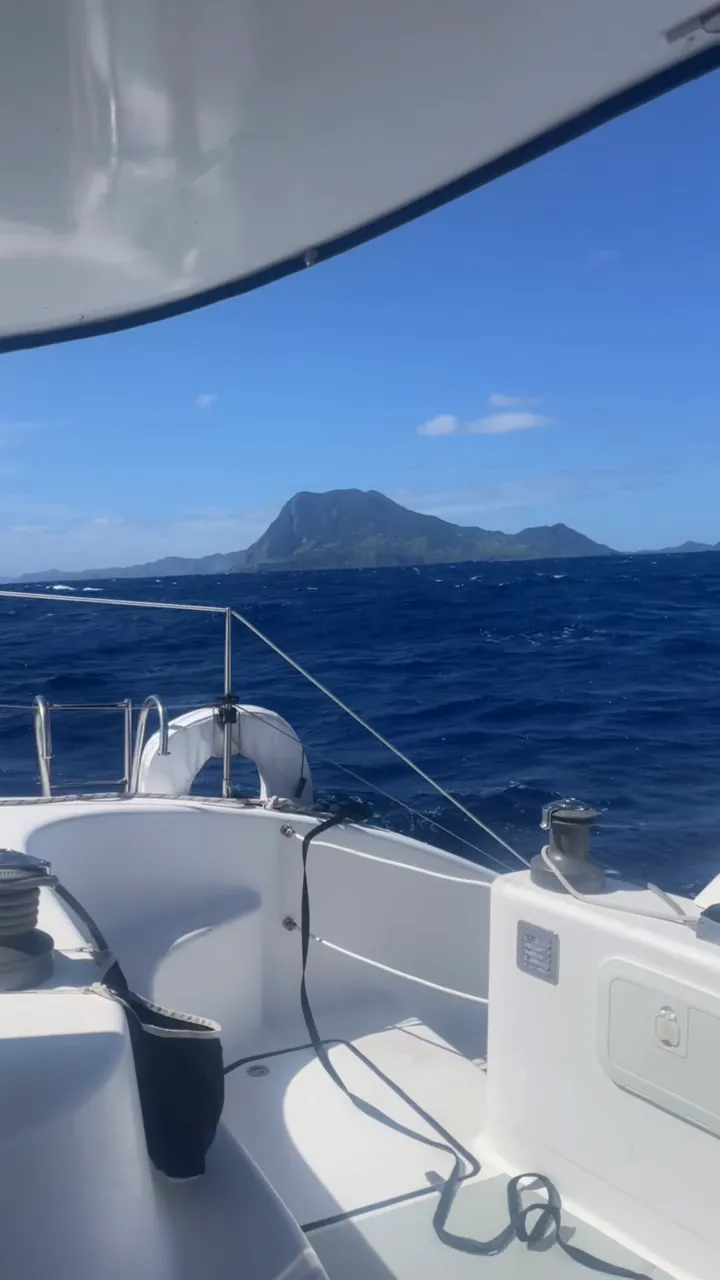
What a passage actually looks like
Before departure. You arrive a few days early. Safety briefing, boat familiarisation, watch assignments, provisioning run, and then the waiting game every offshore sailor knows: watching the weather windows with the skipper until the forecast says go.
At sea. Watches run around the clock — typically three hours on, six off with a full crew. Days settle into the rhythm of sail changes, meals, fishing lines, weather downloads over Starlink, and the slow change of the ocean as you cross from temperate to tropics or back. Some days are champagne sailing. Some are hard work. That's rather the point.
Arrival. Clearing customs into Fiji with the smell of land after a week at sea, or raising the New Zealand coast at dawn — either way, you'll have done something most sailors only read about.
Want the full picture before you apply? We've written up how we time the passage south — the weather window, the squash zone, Minerva Reef and the arrival paperwork — plus why the whole fleet moves at this time of year.
Apply for a berth
Applications first, money later. Tell us who you are below; we reply to every application, and if it looks like a fit we'll set up a call to talk through the passage, the boat, the cost share and the details — before anyone commits to anything.
Keep reading: see what the boat's like to sail in our Fusion 40 review, learn the sail plan we cross with in the interactive reefing guide, and follow the next crossing live on the tracking page. Content creator instead? The collab programme is for you. And if the question is less "when" than "whether you will actually go", start with the four things that stop people leaving.
Follow the journey
Occasional updates from the crew — passages, islands, berth openings, and first word when Mā Tori finds her new owners.